If you run marketing, communications, or development for a nonprofit in the DFW area, you already know video works. Donors who watch a nonprofit’s story on video are significantly more likely to give than those who only read about it — it’s one of the most consistent findings in nonprofit marketing research.
The problem isn’t whether video works. It’s that most nonprofits don’t have a marketing department the size of a Fortune 500 company, or a full production crew on staff. Budgets are tight, staff are stretched thin, and “we should really get some video content” tends to sit on the to-do list for another quarter.
That’s exactly the gap we built our studio to close.
Why a Small Studio Is an Advantage, Not a Limitation
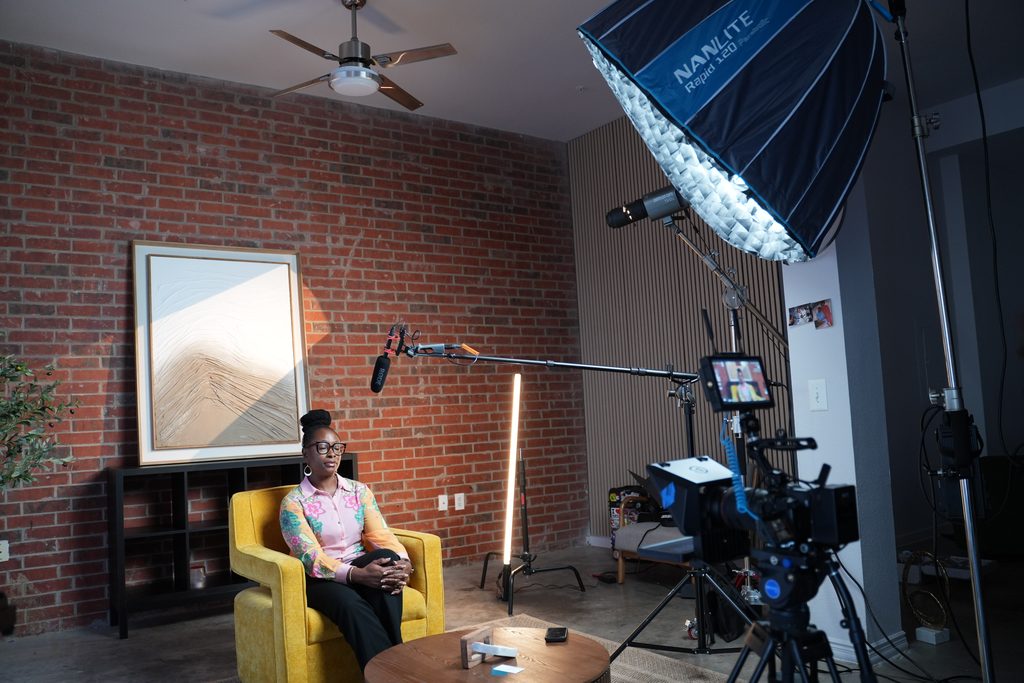
We run a lean, efficient production model out of our studio in Plano — and for nonprofit clients, that’s a feature, not a compromise. A smaller footprint means:
- Lower overhead, which means more of your budget goes into the final video, not into a twelve-person crew
- Faster turnaround, because we’re not coordinating a large team’s schedule across multiple projects
- A controlled environment — consistent lighting and clean audio for interviews, without the unpredictability of shooting on location every time
- Flexibility to batch content, so you can walk out of a single half-day session with several finished videos instead of scheduling five separate shoot days
That last point matters more than most nonprofits realize going in. The five video types below don’t have to be five separate projects. With the right planning, most organizations can capture the interviews and B-roll for all five in one or two efficient sessions.
The 5 Essential Videos Every Nonprofit Should Have
These five cover the moments that matter most across your fundraising and communications calendar — from the first time a new supporter learns who you are, to the moment you thank them for giving.
1. Mission & Brand Story Video
This is your cornerstone video — the one that answers “who are we, and why does this matter” in two to three minutes. It typically combines interview footage with leadership or program staff, real footage of your work in action, and a clear statement of impact.
This is the video that lives on your homepage, opens a pitch to a major funder, and plays at the start of your annual gala. If it’s been more than a couple of years since you filmed one — or you’ve never had one — this is where to start.
In our studio, this usually means one focused video interview production session with your executive director or program lead, combined with on-location footage of your organization’s work.
Where it lives: Homepage, donor decks, grant applications, gala opening
2. Donor & Beneficiary Impact Story Video
Numbers tell people what you do. A story tells them why it matters. This video follows one person — a beneficiary, a family, a community member — and lets their experience carry the message.
The strongest versions of this video don’t rely on narration. They let the interview do the work, supported by quiet, honest footage of daily life. Viewers should walk away with zero doubt that your organization changes real outcomes for real people.
Where it lives: Social media, email campaigns, website impact page
3. Fundraising & Campaign Video
This is the video with a job to do: drive a specific action, whether that’s a Giving Tuesday donation, a gala pledge, or a capital campaign gift. Unlike the mission video, this one is built around urgency and a clear ask.
The best fundraising videos spend most of their runtime showing impact, then close with a direct, specific call to action — not the other way around. A viewer should understand exactly what their gift accomplishes before you ask for it.
Where it lives: Donation page, email appeals, gala big-screen moments, social ads
4. Event Recap & Promo Video
Every gala, 5K, and community event is a marketing asset waiting to happen — most nonprofits just don’t capture it that way. This category actually covers two videos:
- A short pre-event promo that builds excitement and gives people a reason to register
- A post-event recap that thanks attendees, showcases the energy of the room, and gives sponsors proof of reach for next year
Recap videos are also one of the most underused sponsorship tools available to nonprofits — a well-produced recap makes it far easier to bring the same sponsors back the following year.
Where it lives: Event registration pages, email invites, sponsor follow-up, next year’s pitch deck
5. Donor & Volunteer Spotlight / Thank-You Video
This is the video most nonprofits skip — and it’s often the one with the highest return relative to effort. A short, warm video thanking a major donor, a long-time volunteer, or a corporate partner does more for retention than another form email ever will.
These are quick to produce, especially when filmed alongside your other interviews in the same studio session, and they signal something donors rarely hear directly: that their specific contribution was seen and mattered.
Where it lives: Personal follow-up emails, donor recognition events, social media shout-outs
Bringing It All Together in One Studio Session
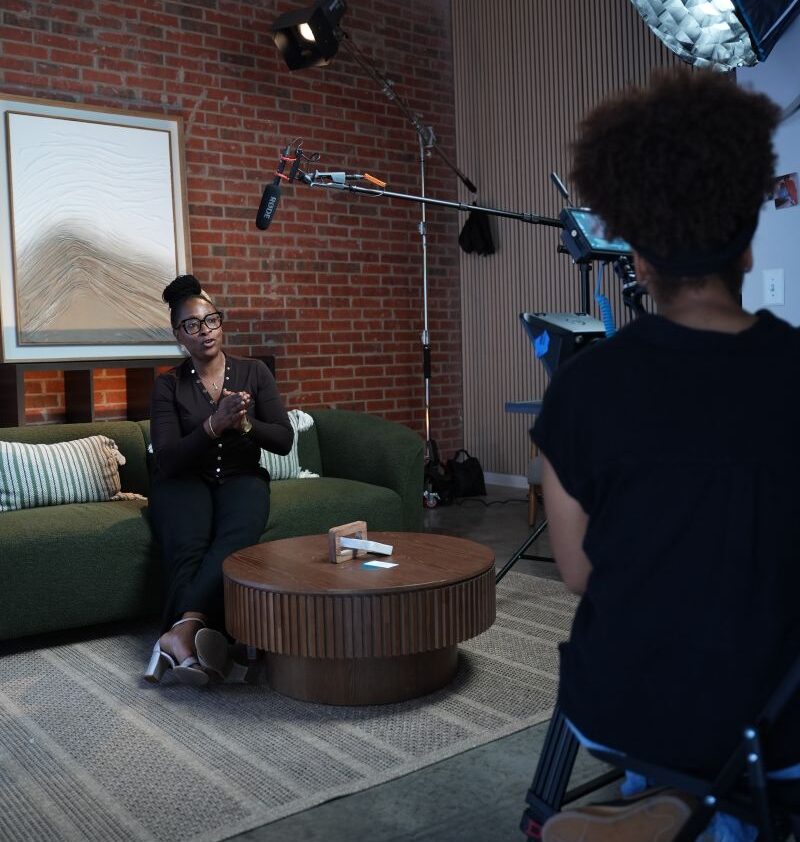
Here’s where the small-studio model really pays off for nonprofits. Because interviews for the mission video, impact story, and thank-you video all happen in the same controlled studio setting, we can often schedule your leadership, a beneficiary, and a key donor or volunteer on the same day — and walk away with the raw footage for three or four of these five video types in a single visit.
Event and campaign footage get layered in separately, timed around your actual gala or giving-day calendar, but the interview-driven content — which is the hardest part for most nonprofits to schedule — gets knocked out efficiently, without pulling your team away from their real jobs for multiple days.
If your nonprofit doesn’t have any of these five videos yet, don’t try to tackle all five at once. Start with the mission video, since everything else builds on it, and add the rest as your calendar and budget allow.
Frequently Asked Questions
How much does nonprofit video production cost in the DFW area?
Costs vary based on how many videos you’re producing and how much on-location footage is involved, but working with a small studio production model typically costs meaningfully less than hiring a large crew, since you’re not paying for a big team’s day rate. Bundling several videos into one session also brings the per-video cost down significantly.
Do we need all 5 videos right away?
No. Most nonprofits build this library over time. If you only have budget for one video this year, start with the mission and brand story video — it’s the foundation everything else builds on.
Can these really be filmed in one day?
For most small-to-midsize nonprofits, yes. Interview-based videos (mission, impact story, and thank-you) can often be filmed back-to-back in a single studio session. Event and campaign footage typically needs to be captured separately, around your actual event dates.